
Cross-functional friction
is rarely a
people problem
Most organisations do not struggle because teams are unwilling to work together. They struggle because the structure around those teams creates confusion, duplication and delay.
Unclear decision rights, conflicting priorities and poorly defined interfaces between functions cause work to slow down as it moves through the organisation. Leaders compensate through escalation, intervention and constant coordination, but this only masks the underlying issue.
We identify the structural causes of cross-functional friction and redesign the conditions required for work to move clearly, consistently and at pace.
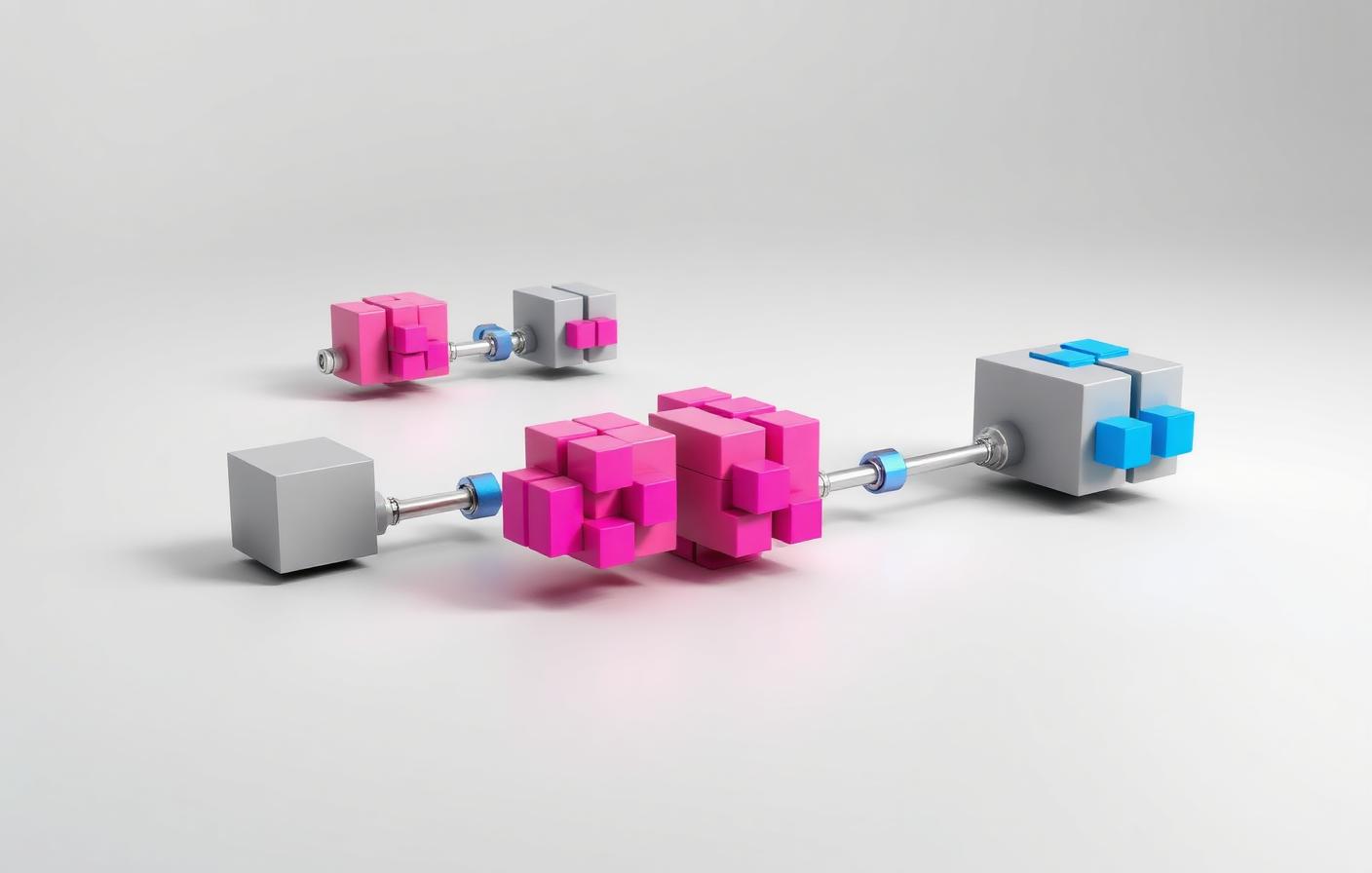
Friction between teams is rarely about people. It is about the seams.
Where work crosses functional boundaries without clear interfaces, the operating model creates friction by design. Resolving it requires structural change, not better behaviour.
Why cross team work breaks down.
Organisational silos develop when the operating model does not define clear interfaces between teams, creating cross functional friction.
Ownership is unclear at handoff points, leading to duplication, gaps, and interdepartmental conflict.
Decision rights sit in different places across functions, causing delay and escalation to resolve routine issues.
Measures and incentives are misaligned, so teams optimise locally rather than for end to end outcomes.
Work is not designed to flow across the organisation, resulting in rework, delays, and inconsistent delivery.
How friction shows up in delivery.
Duplicated work, blame cycles, delivery delays, these are signals of underlying structural issues.
The structural conditions creating friction.
Unclear interfaces between teams
Teams are expected to collaborate but the interfaces between them are poorly defined, creating gaps, duplication and delays during delivery.
Poorly defined responsibilities
Responsibilities are unclear or overlapping, resulting in decisions being escalated, revisited or avoided entirely.
Misaligned incentives
Functions are measured against different priorities, creating incentives that optimise local performance rather than organisational outcomes.
Oversight-led governance
Governance structures focus on oversight rather than enabling clear decision making and execution flow.
Reliance on informal coordination
Organisations rely on individual intervention and informal coordination because the operating model does not sustain performance consistently.
What the structural fix looks like.
Teams reinterpret requirements between handoffs, work is reworked.
Shared definitions and ownership so work moves cleanly across functions.
Decisions get revisited at every boundary because no one owns them.
Decision rights span the workflow, not the org chart.
Leaders absorb coordination load to keep delivery on track.
Coordination is built into the operating model, not the leadership calendar.
Why cross-functional friction matters.
Cross-functional friction increases operational effort while reducing execution quality. Work slows as teams reinterpret requirements, decisions are revisited and ownership becomes unclear. Over time, organisations become dependent on leadership intervention simply to maintain performance.
These issues rarely remain isolated. Delivery delays impact customer outcomes, operational costs increase through duplication and rework, and transformation activity struggles to create lasting improvement because the underlying structure remains unchanged.
Reducing friction requires more than better collaboration workshops or additional governance. It requires clear operating model design, defined accountability and execution pathways that support reliable performance across functions.
By addressing the structural causes of friction, organisations improve delivery speed, reduce unnecessary escalation and create more stable execution as demand and complexity increase.
How structural changes reduce friction.
Friction isn't a culture problem. It's a structural one.
The cross-functional principle
How we resolve cross-functional friction.
Identify where friction occurs
We begin by identifying where friction is disrupting execution across functions, teams and leadership layers. This includes understanding how decisions are made, how work moves and where intervention is required to sustain performance.
Assess the structural causes
We then assess the structural causes behind the issues, including unclear accountability, governance gaps, duplicated activity and misaligned operating behaviours. The focus is not only on symptoms, but on the conditions creating them.
Define targeted structural changes
Using these findings, we define targeted structural changes to improve execution flow, clarify ownership and reduce dependency on escalation. This may include targeted operating model redesign, decision-right clarification, governance alignment and cross-functional interface redesign.
Stabilise execution
The outcome is a more stable operating environment where teams can execute consistently without constant leadership correction or informal workarounds.
Reduce the friction slowing your organisation down.
If delivery depends on constant intervention, recurring escalation or cross-functional workarounds, the issue is likely structural rather than operational.
Start by understanding where friction is being created, how it is affecting execution and what structural changes are required to improve performance at scale.